Race in the time of childhood
Poor luggage
hearing proudly that you have none?
who sweats the story long before it’s read?”
After The Book of Sir Thomas Moreby William Shakespeare
this your noise chid england new strangers
with babies at their backs plodding to the coast
you sip black ale in a versace suit and watch
no brawl yet still authority the streets quiet
where jo cox is lined in chalk quelling taught
how insolence and strong hand should prevail
that ruffians their violent fancies wrought were now
blood fish trespassing to air
feeling shook go us to brusselsbonnberlin
and ask which of these realms by the nature of our error
should give us harbour we must needs be strangers
in a province somewhat tamed muzzled naked teeth
still flash (ask those come out of the sea with no papers)
and having learned our nation’s barbarous temper
they will not afford us an abode on earth revert we
lost to the continent
old europe will whet its knavish terror on our throat
step over us likeasifgod
owed not nor made not us nor we ourselves
chartered unto vipers by our own sick navigation
it becomes a moral case: to be so used as we would use
once safe once piece of the main
who treads mountains seeking black humanity
hearing proudly that you have none the punch-line sweeterinthegut
of those who sweat the story long before it’s written?
who reached brixton circa one fine day
looked back across salt water to see us cutting off our body
in fealty to the poisoned heart?
since the time that we were taken
when will we haunt a body that doesn’t drift and rot?
© Jay Bernard
Race in the time of childhood

Race in the time of childhood
Sharmilla Beezmohun

Mixed race, mixed up Britain
Louisa Adjoa Parker

Salad cream sandwiches
Selina Nwulu

Buried
Maame Blue


If it isn’t me
Bobby Nayyar

Me and Mowgli
Sarwat Chadda

Comics and literature
Sarwat Chadda & Fergal Harte
WritersMosaic monthly
Get new episodes by email
One email monthly, unsubscribe anytime

Illuminating, in-depth conversations between writers.
Listen to all episodes
SpotifyApple Podcasts
Amazon Music
YouTube
Other apps

The series that tells the true-life stories of migration to the UK.
Listen to all episodes
SpotifyApple Podcasts
Amazon Music
YouTube
Other apps
WritersMosaic interrogates the notion of ‘staying in your lane’ by asking writers how they attempt to think beyond the parameters of their cultural identity.
Listen to all episodes
SpotifyApple Podcasts
YouTube
In the first series of poems commissioned by Hannah Lowe, six poets explore how ritual gives meaning to our lives.
Listen to all episodes
SpotifyApple Podcasts
YouTube

Free Will
Will Harris reads his poem, 'Free Will'. Directed by Matthew Thompson and commissioned by the Adrian Brinkerhoff Poetry Foundation.

Half Written Love Letter
Selina Nwulu reads her poem, 'Half Written Love Letter'. Directed by Matthew Thompson and commissioned by the Adrian Brinkerhoff Poetry Foundation.
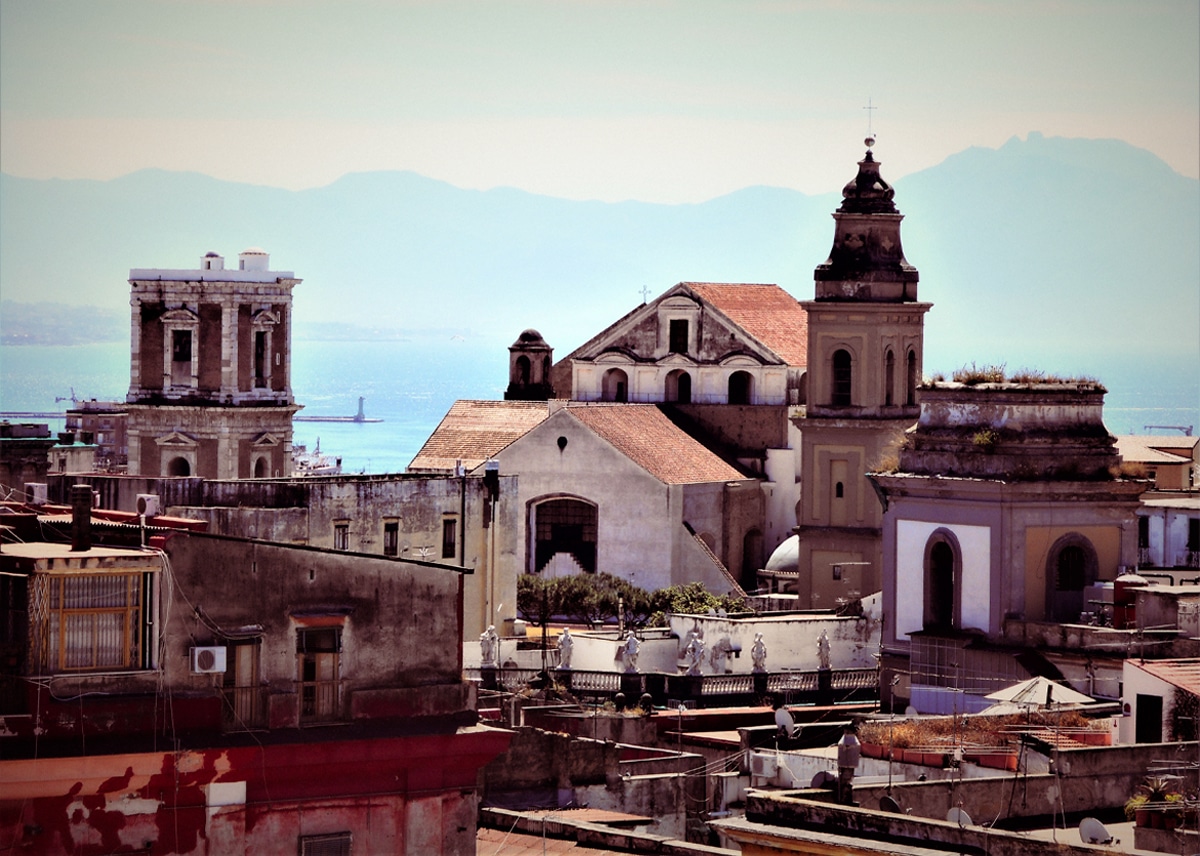
Coats
The unexpected cost of acquiring two Italian leather coats in Rome
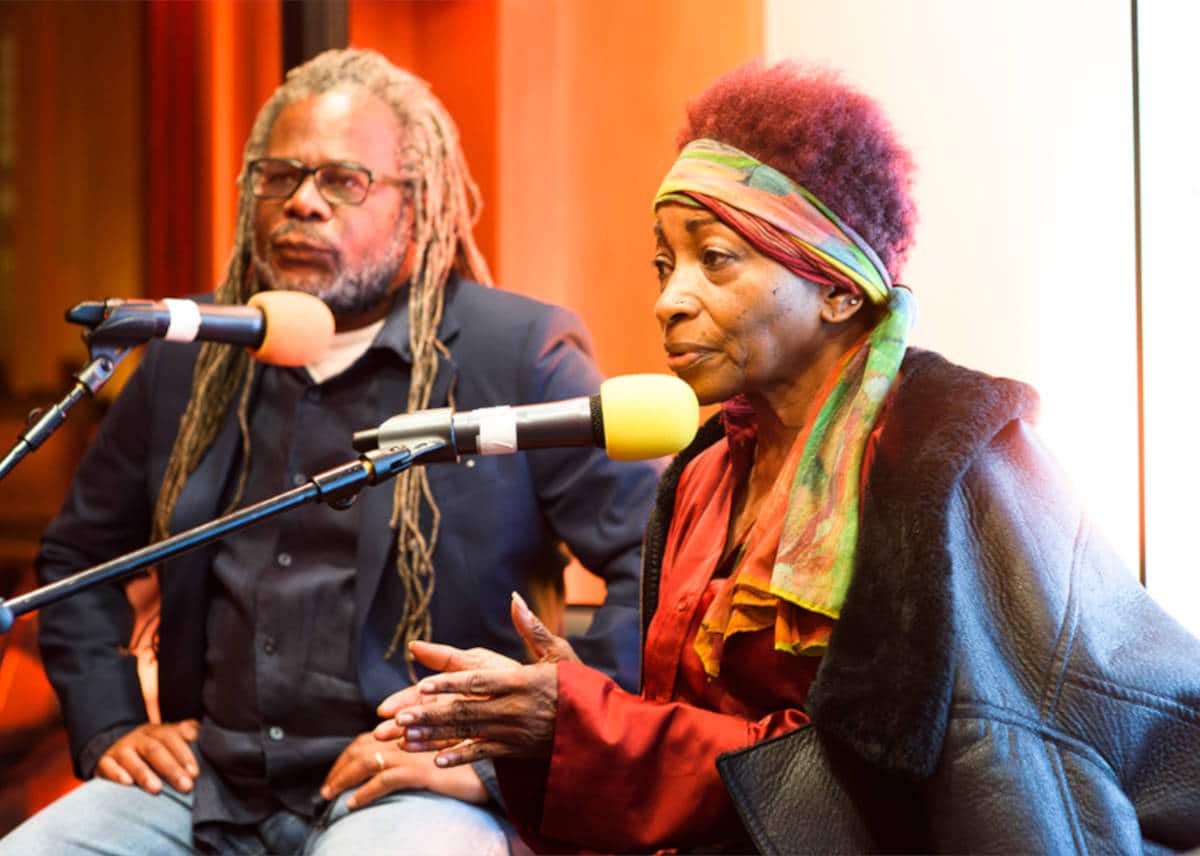
A tribute to Bonnie Greer
Founding editor of WritersMosaic Gabriel Gbadamosi pays tribute to Bonnie Greer, the extraordinary writer, public intellectual and much admired contributor to WritersMosaic who died on 15 September, 2026.
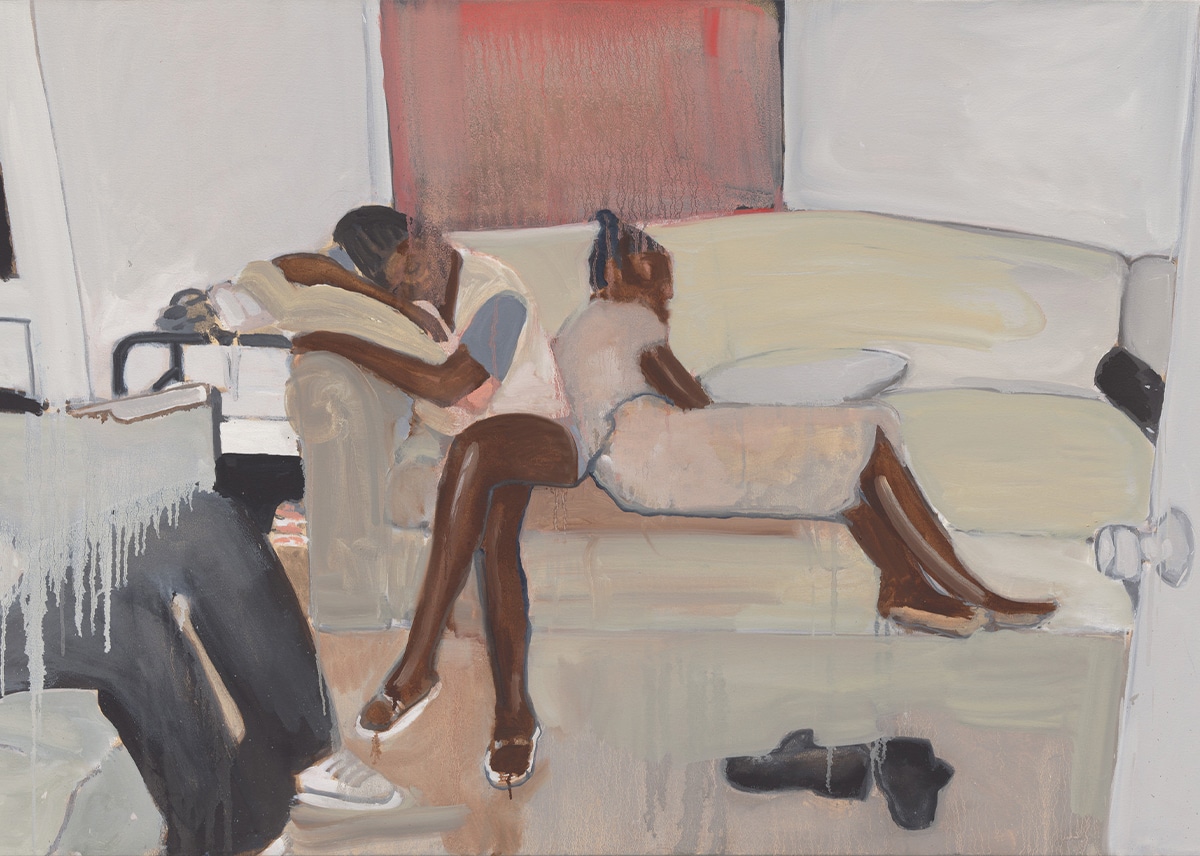
Triage
A response to the endless spiral of worldwide conflict and tragedy
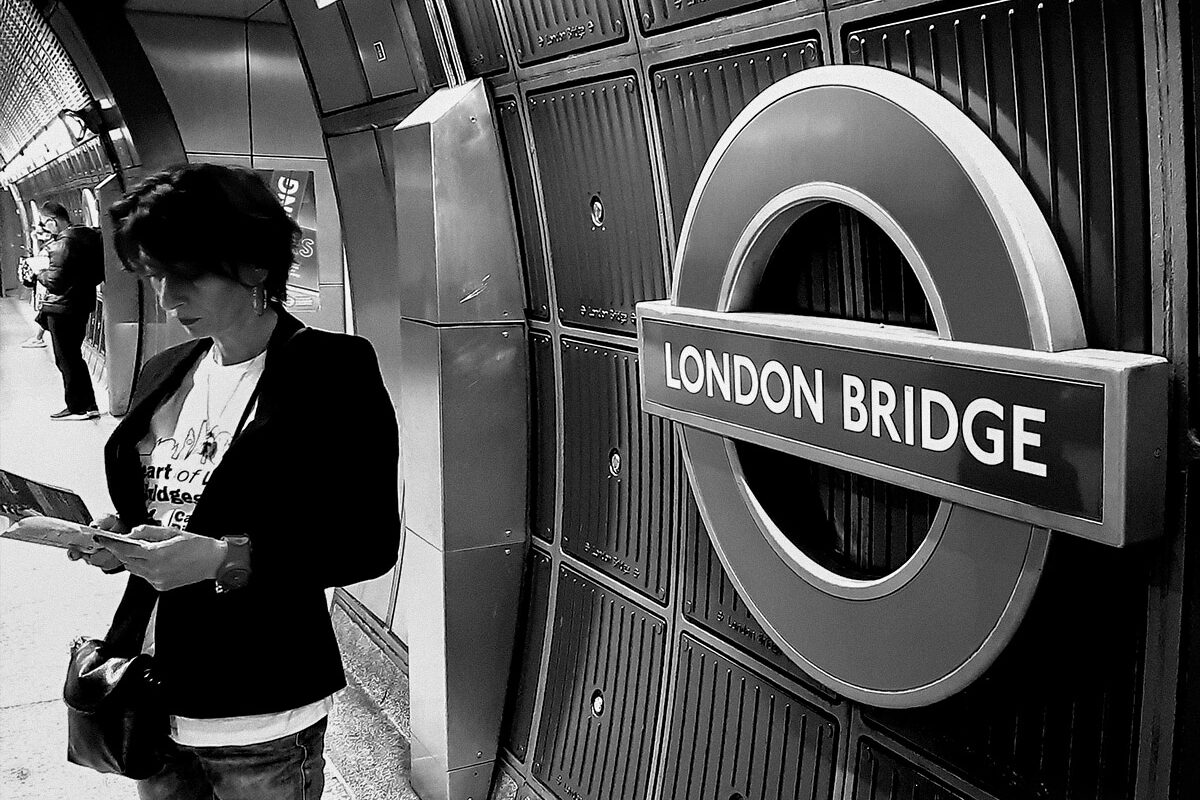
The Complex
The unraveling of a dynasty
Disappearing Images
A festival of ephemeral art and the impermanence of our current world