Talismans of migration
A sick note
Historically, when Irish people came to Britain, they’d seek each other out. Irish pubs, Irish dancehalls, Irish churches. An umbilical thread to the motherland.
I, however, was so keen to cut the cord between myself and the Irish motherland that, in frustration, I’d been cutting myself instead. Which is why, instead of granny’s rosary beads, I came to London with a psychiatrist’s letter directing me to the nearest mental health facility. That’s what I carried – a sheet of paper suggesting I was not entirely of sound mind.
I disagreed. I wasn’t fleeing my homeland for any of the usual reasons. Despite the recession, I had a job back home. No, I was fleeing 1980s Ireland – war-free, famine-free, pestilence-free – because it was still in the chokehold of a theocracy emphatically opposed to girls just wanting to have fun. Any fun. Ever.
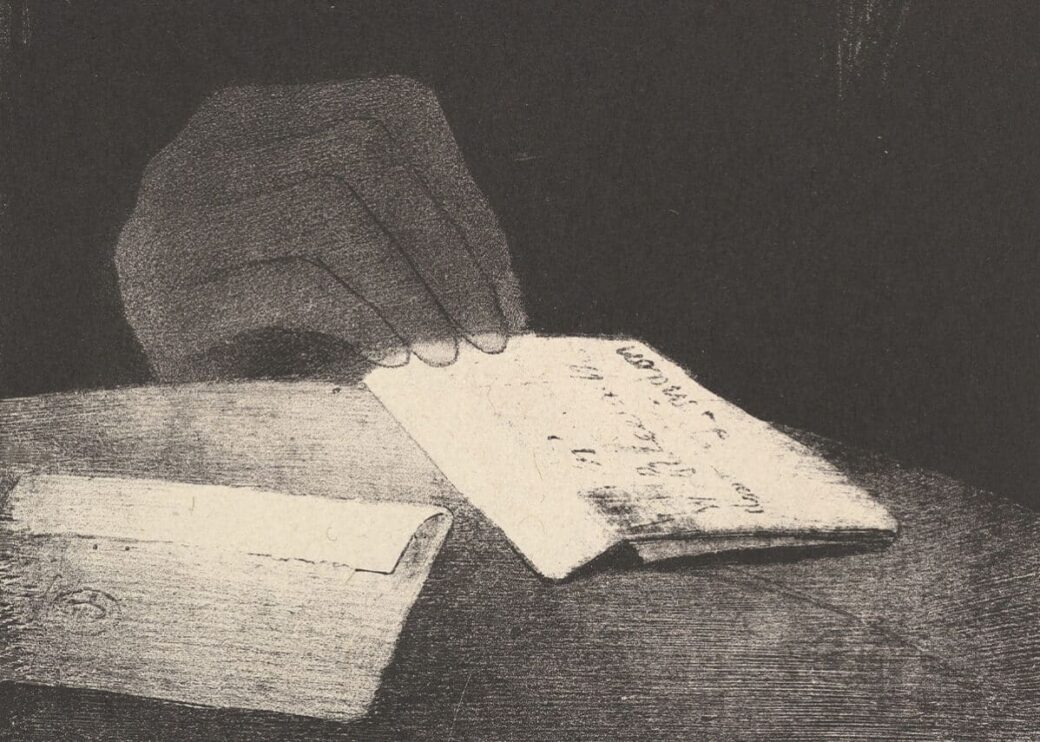
Aside from some books and clothes squashed into a bag, what I carried with me when I arrived, bewildered with fatigue, at Victoria Coach Station in the summer of 1987, was this formal letter. Not addressed to me, but about me – one of those ‘to whom it may concern’ letters. A kind of psychiatric ‘please look after this bear’ letter, had Paddington’s aunt in Peru been a distracted middle-aged Irish shrink from the pre-Prozac era, at a time when being under the care of even a counsellor – never mind an actual psychiatrist – was the equivalent of a full-page newspaper advertisement, announcing in banner headlines, ‘She’s Off Her Rocker’.
The letter I was carrying told whoever it might concern that this 19-year-old patient had discharged herself from the care of the psychiatric services in Cork, and was heading to London – against the best advice of these services – to start a new life. The letter told whoever would read it that this young woman, as well as being prone to self-harm, totally lacked direction. That’s what it said.
It was those three words to which I objected most strongly. The cheek of it. I’d just propelled myself in an unwavering, south-easterly direction across the Irish Sea, arriving precisely on target in the mythical city of my teenage dreams. Bullseye.
It was a city where, admittedly, I knew nobody, had no job, nowhere to live and only the flimsiest of contacts, but such details were of little concern; I had a watertight plan. I would sign on the dole [unemployment benefit]. I would get a cool, easy job doing something cool and easy that paid cash in hand. I’d hang out in cool places I’d read about in The Face and the NME and make cool friends. Of course I would. Self-absorption, emotional immaturity and fearlessness born of cluelessness would see me through.
But first, I thought I should probably deliver the letter to whomever it was meant to concern. The mental health people in Cork had seemed to regard this as a priority. So, once I had signed on the dole and found myself a horrid little bedsit in a building full of psychopaths, I showed my new NHS doctor the psychiatrist’s letter suggesting – urging – the continuation of my treatment. That is, twice-weekly therapy sessions for the foreseeable.
This new doctor, with his foreign English accent, cast a doubtful eye over the letter, then me, before scribbling something. An appointment was made at a place called ‘the Whittington’. I’d always assumed the story of the boy and his cat to be a fairy tale, yet this seemed to be a hospital named after him. Off I went.
I had high hopes for the English mental health professionals; in Cork, I’d been assigned a trainee therapist whose eyes would widen at the slightest thing. In London, I was sure I would be allocated someone worldly and cosmopolitan, whose reactions I wouldn’t feel obliged to manage. The London therapist was bound to be forthright and forward-thinking, accessorised by a floaty scarf, maybe some outsized acrylic jewellery. Abstract art on the walls, instead of overloaded corkboards pinned with notices about schizophrenia seminars. I fancied a bit of glamour.
Instead, I got a prescription for Valium. That was it. Turns out there were a lot more people a lot more off their rocker, in a lot more need than me, and further along in the queue. I stared at the prescription for a while, this new piece of paper with the name of a substance that would numb me out like a 1950s housewife.
I stared at it and then I chucked it in the bin.
I’d be grand.
© Suzanne Harrington
Talismans of migration
Editorial
Colin Grant
The List
Snežana Ċurčić
The last ritual
Eric Ngalle Charles
The most wonderful object in the world
Maria Jastrzębska
Month One: the source and the poem
Roger Robinson
Haunting melodies
Maggie Harris
Kafan
Ishy Din
Rolling luggage
Amanda Vilanova
Summer Wear
Colin Grant
WritersMosaic monthly
Get new episodes by email
One email monthly, unsubscribe anytime

Illuminating, in-depth conversations between writers.
Listen to all episodes
SpotifyApple Podcasts
Amazon Music
YouTube
Other apps

The series that tells the true-life stories of migration to the UK.
Listen to all episodes
SpotifyApple Podcasts
Amazon Music
YouTube
Other apps
WritersMosaic interrogates the notion of ‘staying in your lane’ by asking writers how they attempt to think beyond the parameters of their cultural identity.
Listen to all episodes
SpotifyApple Podcasts
YouTube



It’s being published I get paid for; the writing I would do for free
‘Any advance [...] for your novel is to compensate you for the horrors of being published'
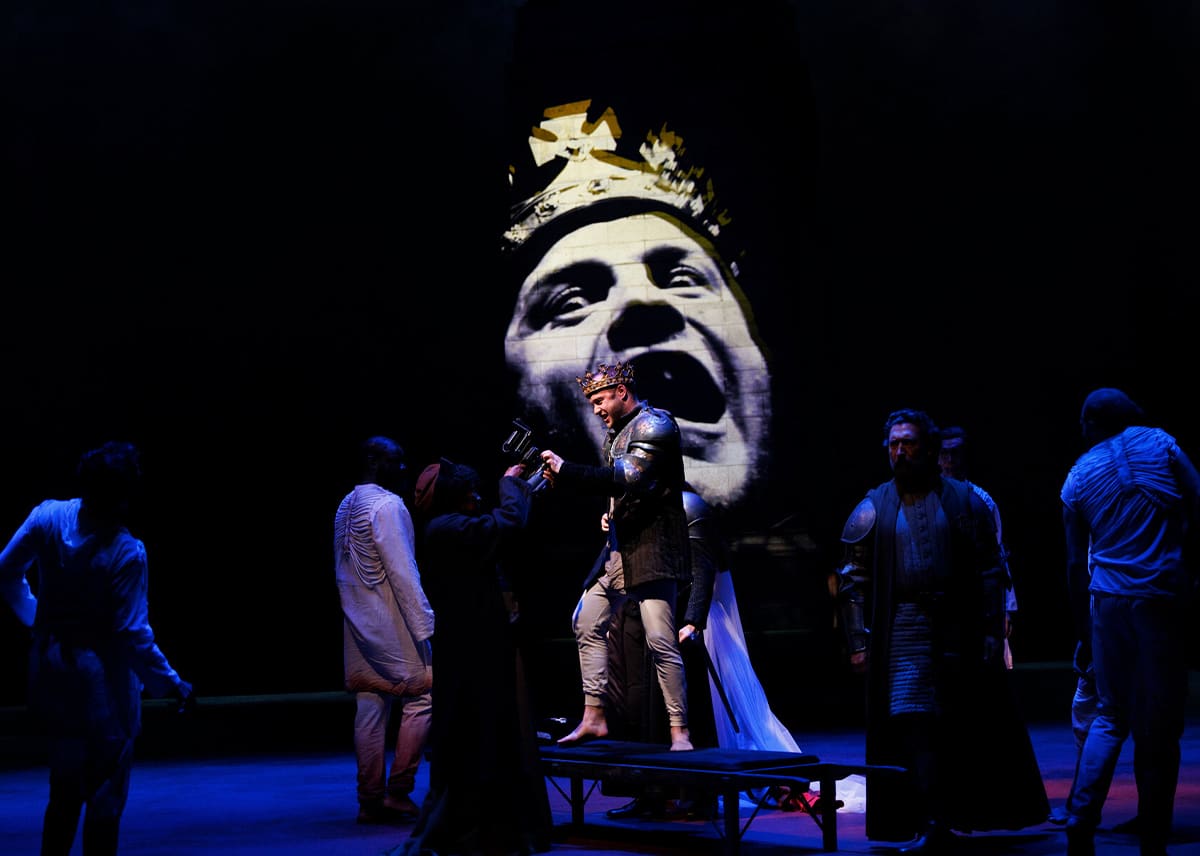
Complex antihero: an interview with Arthur Hughes
Unravelling Authur Hughes' Richard III
Marlon James: a Jamaican reckoning
'A return to a home I barely knew'
Haunting the Black Air
Poetic freedom across space and time
The Disappearers
A sprawling visceral experience that drops you in head first