Talismans of migration
Haunting melodies
It’s strange how one small moment can define your life. When I was about twelve, my father wanted to teach me to play the guitar. I remember shaking my head; I was frequently tongue-tied around my father. He was strict. West Indian strict. Strict in a way that required children to be seen and not heard – no rudeness or slackness.
My father was born in the new century that carried the old one in its belly, with the bitter taste of enslavement, everyone foraging for a new way to live. He would spend up to a week away, travelling Guyana’s Berbice River, after which he would sometimes bring the crew home for rum and guitar camaraderie. These sessions provided the opportunity for me and my sisters to scrounge ten- and twenty- cent pieces for crush ice and chocolate, as our dad mellowed under the influence.
The father that emerged during these sessions, and other celebratory occasions, is forever linked to music, and for years the tune of a certain instrumental remained in my head: a haunting melody fading away. But it feeds into my writing – the gathering of friends and neighbours, Christmas carols on the doorstep, singalongs, harmonies, the fluidity with which my father teased melodies out of his guitar. When he used the slide, it sent shivers down my skin, something indescribable but beautiful. These moments were windows on an otherwise dull life, in which, for me, music would become a door into poetry. He had a collection of records in the prized radiogram that included Louis Armstrong and Harry Belafonte. This was my father, the musician, not the disciplinarian: a man whose history would, for the most part, be forever lost to me when he died suddenly in 1969, when I was fifteen.
His guitar travelled with me from Guyana, losing its case somewhere along the way, and has barely survived the many moves over 51 years. It settled on the tops of wardrobes, coming out like a harvest moon for friends to admire and try to play – an impossible task as its frame split, the pegs became rusty and the bridge warped.
A writing workshop with Guyanese poet Grace Nichols involved a meditation, which led me to conjure the memory of the guitar in its case under my teenage bed, in the presence of a clutch of music sheets. He could read music? Where could this knowledge have come from? A childhood on the banks of the Berbice River – site of abandoned slave plantations – a farm where he milked cows and learnt carpentry? My mother remembers him reading from a music book, and a cousin remembers that our fathers had been part of a trio that entertained at weddings. The need to make music was always around us, from harmonicas to steel pans.
In 2023, The Repair Shop, a BBC television programme which attracts some 60,000 applications a year, accepted Dad’s guitar for restoration. After 51 years, it had finally come down from the wardrobe, its restoration a physical manifestation of our journey and sense of loss, but also much recompense. Whilst I regret not saying yes to my father’s offer to teach me to play, without a doubt I would not be the writer I am without the power of invocation gained and retained from the creative essence of him, which flowered from a dark place into transformation.
© Maggie Harris
Thanks to Ty Watling for the original music that accompanies the recording of this essay
Talismans of migration
Editorial
Colin Grant
The List
Snežana Ċurčić
The last ritual
Eric Ngalle Charles
The most wonderful object in the world
Maria Jastrzębska
A sick note
Suzanne Harrington
Month One: the source and the poem
Roger Robinson
Kafan
Ishy Din
Rolling luggage
Amanda Vilanova
Summer Wear
Colin Grant
WritersMosaic monthly
Get new episodes by email
One email monthly, unsubscribe anytime

Illuminating, in-depth conversations between writers.
Listen to all episodes
SpotifyApple Podcasts
Amazon Music
YouTube
Other apps

The series that tells the true-life stories of migration to the UK.
Listen to all episodes
SpotifyApple Podcasts
Amazon Music
YouTube
Other apps
WritersMosaic interrogates the notion of ‘staying in your lane’ by asking writers how they attempt to think beyond the parameters of their cultural identity.
Listen to all episodes
SpotifyApple Podcasts
YouTube

It’s being published I get paid for; the writing I would do for free
‘Any advance [...] for your novel is to compensate you for the horrors of being published'
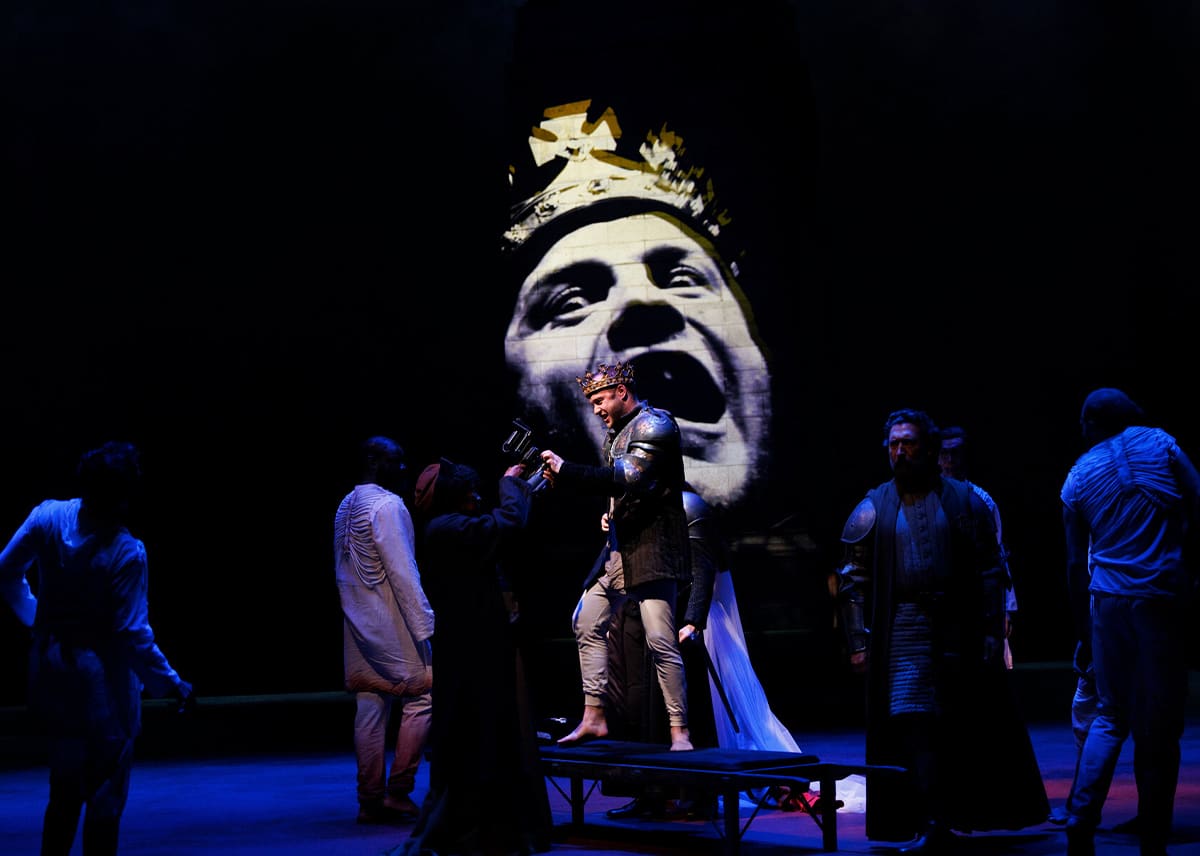
Complex antihero: an interview with Arthur Hughes
Unravelling Authur Hughes' Richard III
Marlon James: a Jamaican reckoning
'A return to a home I barely knew'


Haunting the Black Air
Poetic freedom across space and time
The Disappearers
A sprawling visceral experience that drops you in head first