Talismans of migration
Editorial
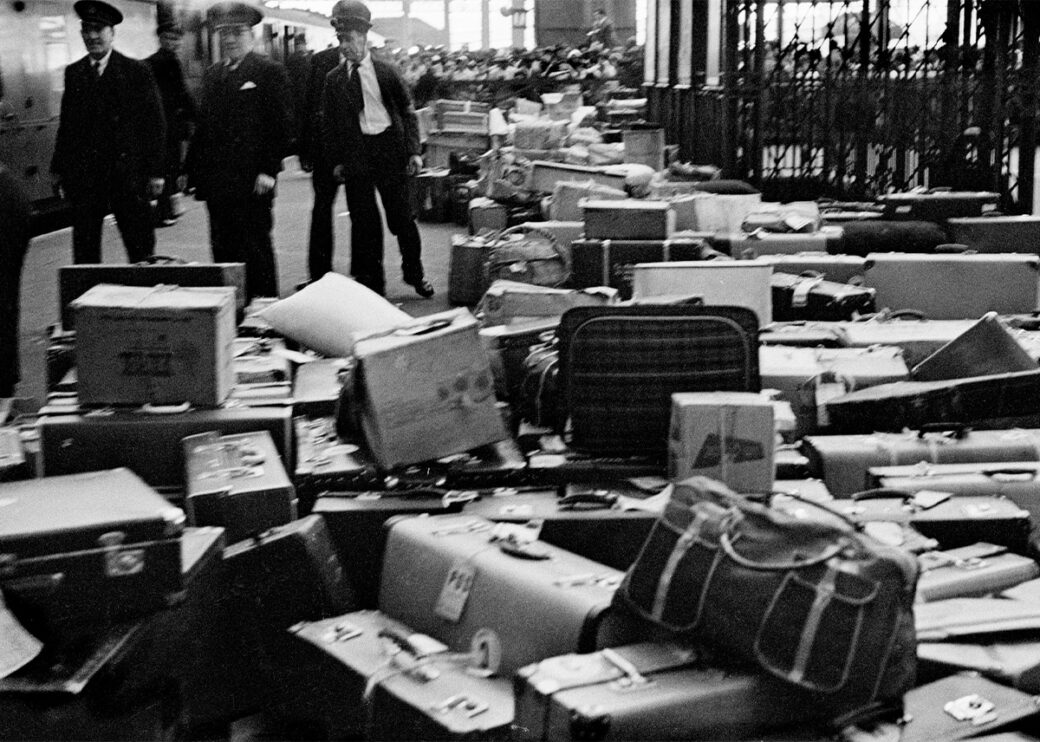
It takes enormous courage and faith in your destiny to up sticks and travel thousands of miles to begin a new life in a foreign land. I am the child of such pioneering migrants: in 1959, my parents set out from Jamaica to Britain. They rarely spoke of the emotional cost of the rupture with their pasts and what might have been lost. But what do pioneers leave behind when they migrate to a new country, and what do they carry with them physically and emotionally wherever they land?
This is the premise of What We Leave We Carry – an oral history of migration to Britain over the last six decades, composed of transcribed extracts from a WritersMosaic podcast of the same name, which is to be published in June 2026. I commissioned several WritersMosaic writers who, like me, travelled Britain and listened to stories of migration – foundational tales of arrival, of love and of loss.
Everyone we spoke with recalled the heightened emotions of their departure, leaving behind relatives and friends whom they might never see again. Something that helped the soon-to-be migrants on their journeys and for the first daunting moments of their arrival – in what seemed for many like a perennial fog – were parting words of comfort, gifts and treasured objects. These talismans of migration provided succour and stirred remembrance, even today.
One of my favourite stories in What We Leave We Carry is told by Mira Erdevički from Slovenia. She carried a present from her grandmother, who raised her – a little wooden stamp used to mark a Slavski kolač: a traditional bread. Mira’s grandmother had taken vicarious pleasure in her granddaughter’s adventures, and still, every year, on St. John’s Day, Mira brings out the wooden stamp and presses it into the dough of her homemade bread, commemorating her beloved grandmother.
There are many such tales among the nine writers in this collection too. All are migrants or the descendants of migrants and they share the secrets of those objects of migration and their talismanic properties.
© Colin Grant

Talismans of migration
The List
Snežana Ċurčić
The last ritual
Eric Ngalle Charles
The most wonderful object in the world
Maria Jastrzębska
A sick note
Suzanne Harrington

Month One: the source and the poem
Roger Robinson
Haunting melodies
Maggie Harris
Kafan
Ishy Din
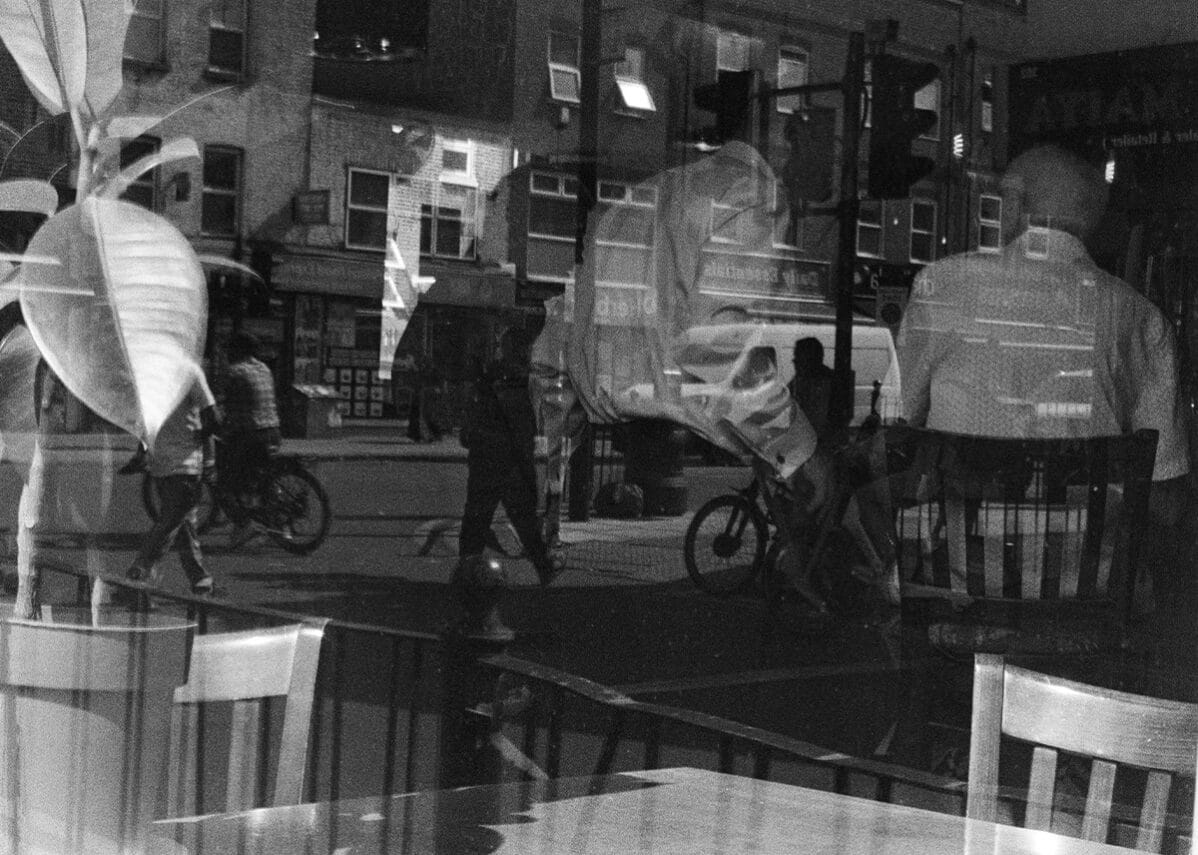
Rolling luggage
Amanda Vilanova
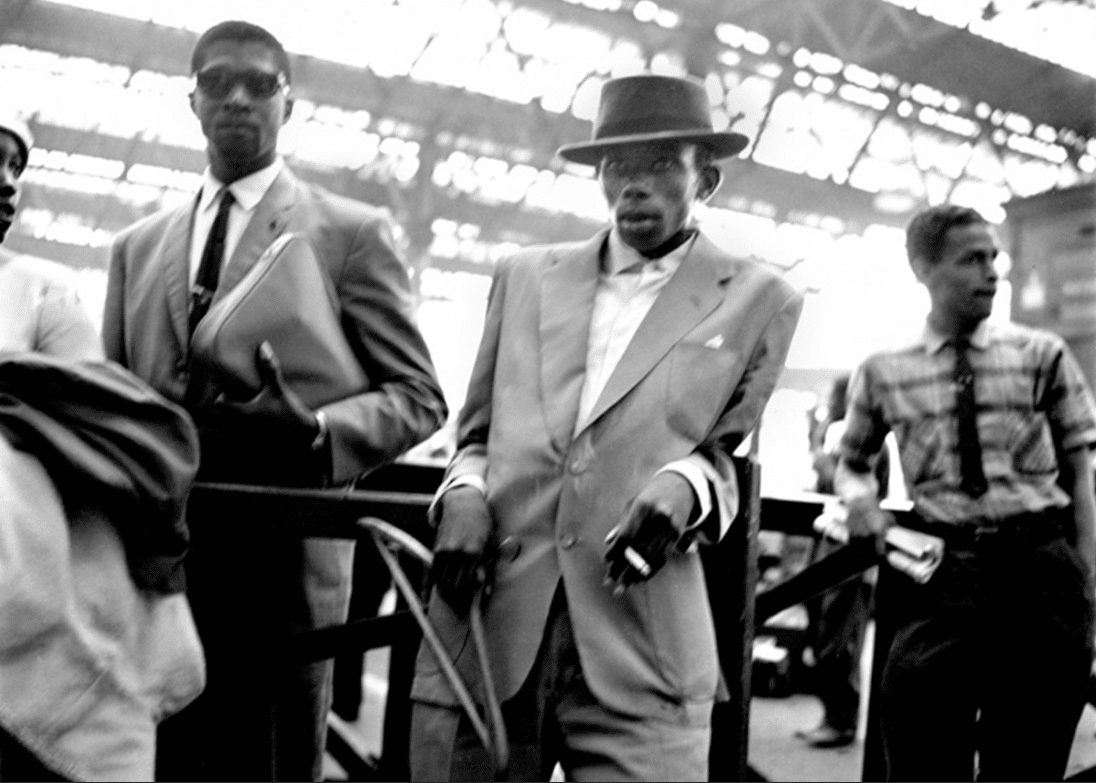
Summer Wear
Colin Grant
WritersMosaic monthly
Get new episodes by email
One email monthly, unsubscribe anytime

Illuminating, in-depth conversations between writers.
Listen to all episodes
SpotifyApple Podcasts
Amazon Music
YouTube
Other apps

The series that tells the true-life stories of migration to the UK.
Listen to all episodes
SpotifyApple Podcasts
Amazon Music
YouTube
Other apps
WritersMosaic interrogates the notion of ‘staying in your lane’ by asking writers how they attempt to think beyond the parameters of their cultural identity.
Listen to all episodes
SpotifyApple Podcasts
YouTube





It’s being published I get paid for; the writing I would do for free
‘Any advance [...] for your novel is to compensate you for the horrors of being published'
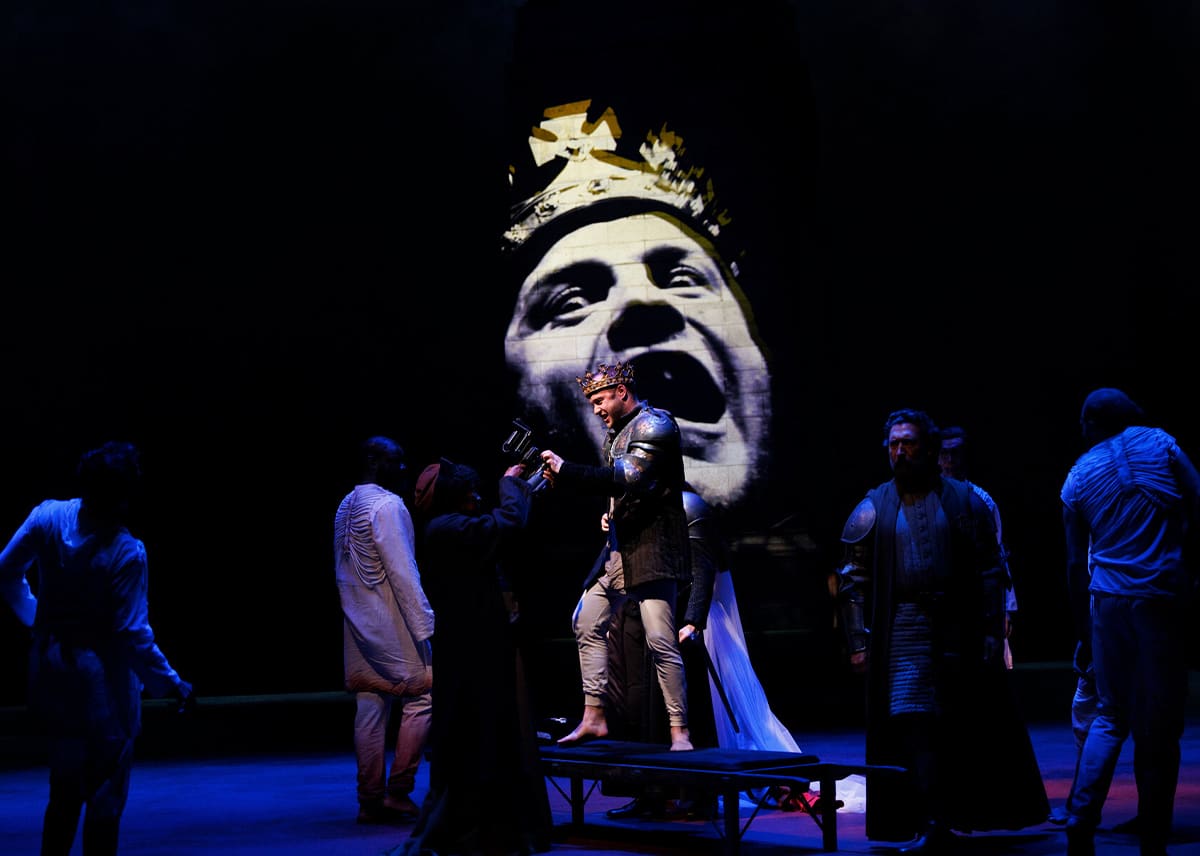
Complex antihero: an interview with Arthur Hughes
Unravelling Authur Hughes' Richard III
Marlon James: a Jamaican reckoning
'A return to a home I barely knew'




Haunting the Black Air
Poetic freedom across space and time
The Disappearers
A sprawling visceral experience that drops you in head first