Talismans of migration
The most wonderful object in the world
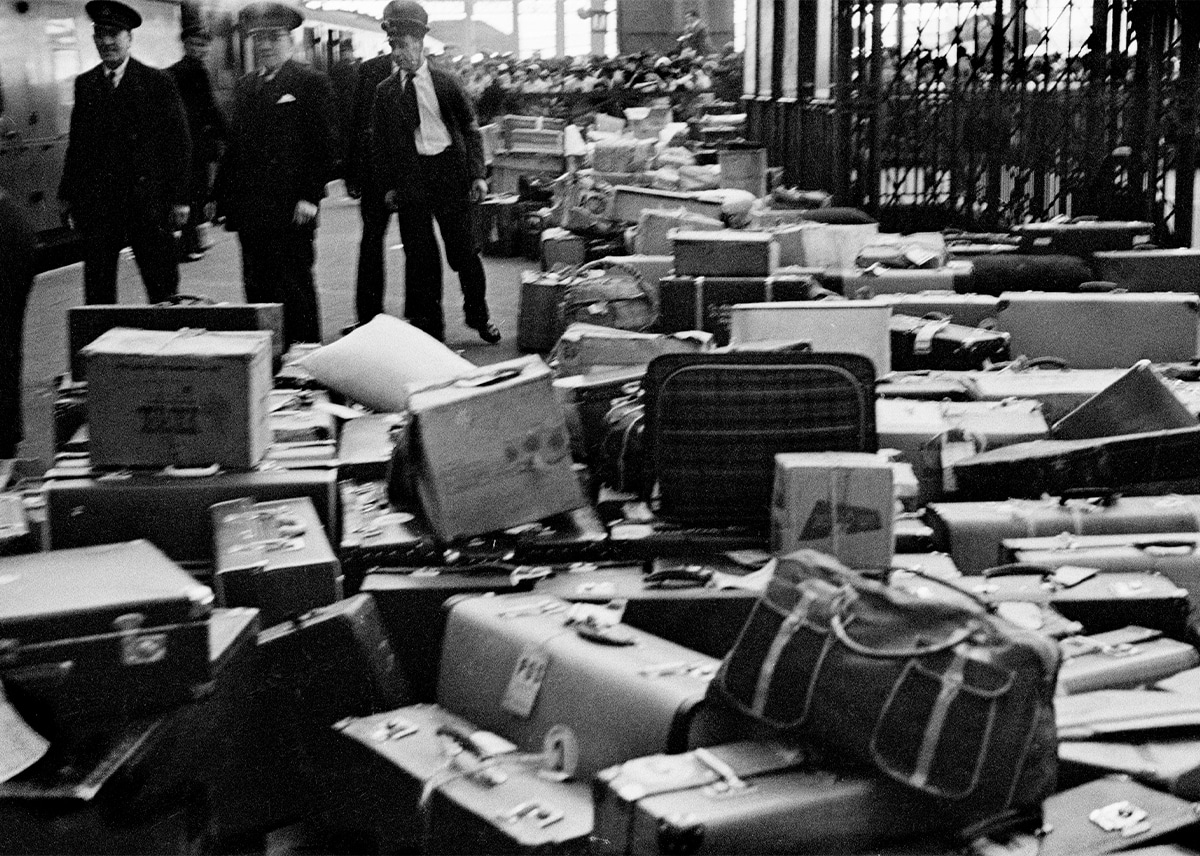
How on earth did my mother pack for us to leave Poland? She had to make it look like a holiday trip in case our bags were searched. After months, she’d finally obtained a passport and visa enabling her to leave Poland with my brother and me to visit her mother in London. There was no question of my father coming with us – we would never be allowed to leave all together. Secretly, Mama and Tata hoped he would be able to join us later so we could stay. In the event, it took another seven months before he could leave. By then, we had overstayed our visa and were living in the UK illegally.
I wish I could tell you we carried kilims, icons and meaningful artefacts with us. But we couldn’t risk that, so we only brought clothes. In any case, we had little; we’d been relying on parcels from my grandmother, who sent over penicillin, vitamins, baby formula, powdered milk, clothes, shoes, fabrics, coffee and chocolate … items that could be sold on the black market, traded or consumed.
I didn’t look back, didn’t say goodbye to Warsaw. Being the youngest, at four years old, I hadn’t been told anything. All I knew was that I’d meet new grandparents on a holiday. Only the closest adult family knew of my parents’ intention to leave for good. It was a time under communism of mutual suspicion, denunciations, and being watched by the secret police. Also, nothing was understood then about transitional objects for children experiencing separation. Instead, there was a fear I might blurt something out. I had nothing to bring, no keepsake, nothing to remind me of Poland.
But then something miraculous happened.
In 1957 there were no direct flights to London from Warsaw. We flew via Brussels, first on Polish Airlines, LOT, then from Brussels on Sabena, the Belgian airline. That’s when we were handed tiny gifts by the kindly air stewards. To a child from behind the Iron Curtain, the sweets given to us on the plane, in their shiny, brightly coloured foil wrappers, were like precious jewels: chocolate, toffee, sticky centres of caramel or strawberry. They tasted delicious.
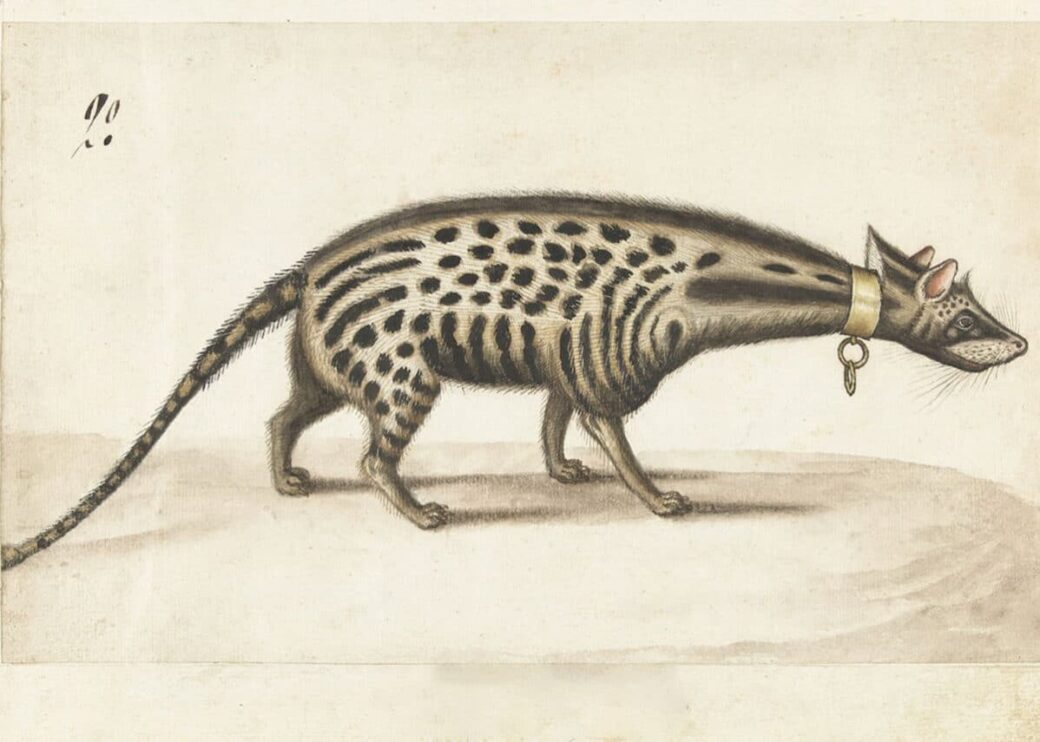
That wasn’t all. Along with the sweets, I was then given the most wonderful object in the world – a delicate figurine of a cat, small enough to fit in my hand. The little cat was made of translucent resin or plastic, its body golden, its eyes and tail amber, its shape like a cartoon cat, with an arched back and curly tail. I’d never had a toy like it. I clutched it happily, this magic gift I’d received in the sky as we sped towards the unknown.
I remember enormous windows and escalators when we landed – things I’d never come across before. Mama was calling out to us to look up. There, at the top of a flight of stairs behind a glass partition, stood two old people in overcoats, strangers. Mama was unable to speak her words properly. Tears streamed down her face and she gasped for breath. I’d known Mama to be cross before, but I’d never seen her cry. Instinctively, I drew closer to her and regarded the new grandparents cautiously.
‘Wave!’ she said, so I did, without opening my hand in case I dropped the little cat. With my other hand, I tried to hold Mama’s hand, which was difficult as she was also gripping a suitcase. We began making our way out to meet Babcia and Dziadio.
‘Kiss your beloved Babcia’s hand,’ Mama said. The stranger who stood in front of us had a direct gaze, as though she could see right through me. I was a little scared. She had long fingers. On one hand, she wore a large amethyst ring. I kissed her reluctantly.
We all made our way onto the escalator. Since I’d never been on one, I was enchanted. Stairs moving by themselves. My delight at gliding through space was short-lived as my new Babcia warned:
‘Be sure to jump off quickly or these stairs will chop off your leg.’
I was first off, urging Mama to hurry too.
Anxious to forge a connection between us, Mama whispered that I should offer Babcia Kicia the little cat I’d been given, explaining that cats were what my new Babcia loved most in the whole world. The little cat was my most treasured possession, my only one. I couldn’t refuse my mother, however – she made it sound so important. With immense sorrow, I dutifully handed over the little toy.
‘A present for you.’
To her credit, my grandmother kept the toy cat on the bureau in her living room for the rest of her life.
© Maria Jastrzębska
Talismans of migration
Editorial
Colin Grant
The List
Snežana Ċurčić
The last ritual
Eric Ngalle Charles
A sick note
Suzanne Harrington
Month One: the source and the poem
Roger Robinson
Haunting melodies
Maggie Harris
Kafan
Ishy Din
Rolling luggage
Amanda Vilanova
Summer Wear
Colin Grant

Illuminating, in-depth conversations between writers.
Listen to all episodes
SpotifyApple Podcasts
Amazon Music
YouTube
Other apps

The series that tells the true-life stories of migration to the UK.
Listen to all episodes
SpotifyApple Podcasts
Amazon Music
YouTube
Other apps
Nine writers explore the elusive emotional truth behind narratives and storytelling.
Listen to all episodes
SpotifyApple Podcasts
YouTube

Free Will
Will Harris reads his poem, 'Free Will'. Directed by Matthew Thompson and commissioned by the Adrian Brinkerhoff Poetry Foundation.

Half Written Love Letter
Selina Nwulu reads her poem, 'Half Written Love Letter'. Directed by Matthew Thompson and commissioned by the Adrian Brinkerhoff Poetry Foundation.
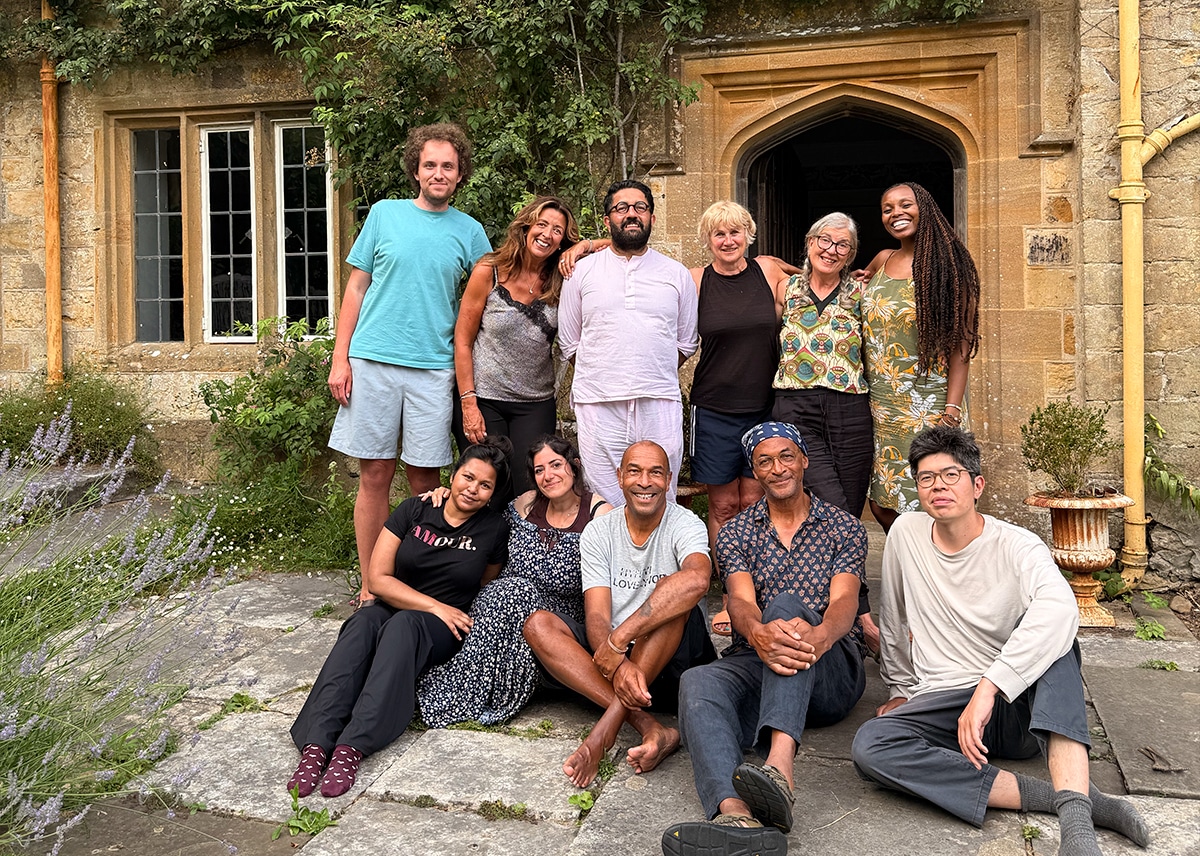
Inside the WritersMosaic Literary Residency
'The sea was crystal clear, the weather was perfect and my pink toenails shimmered beneath the transparent water'

Gratitude
A message of gratitude for the late Eric Huntley
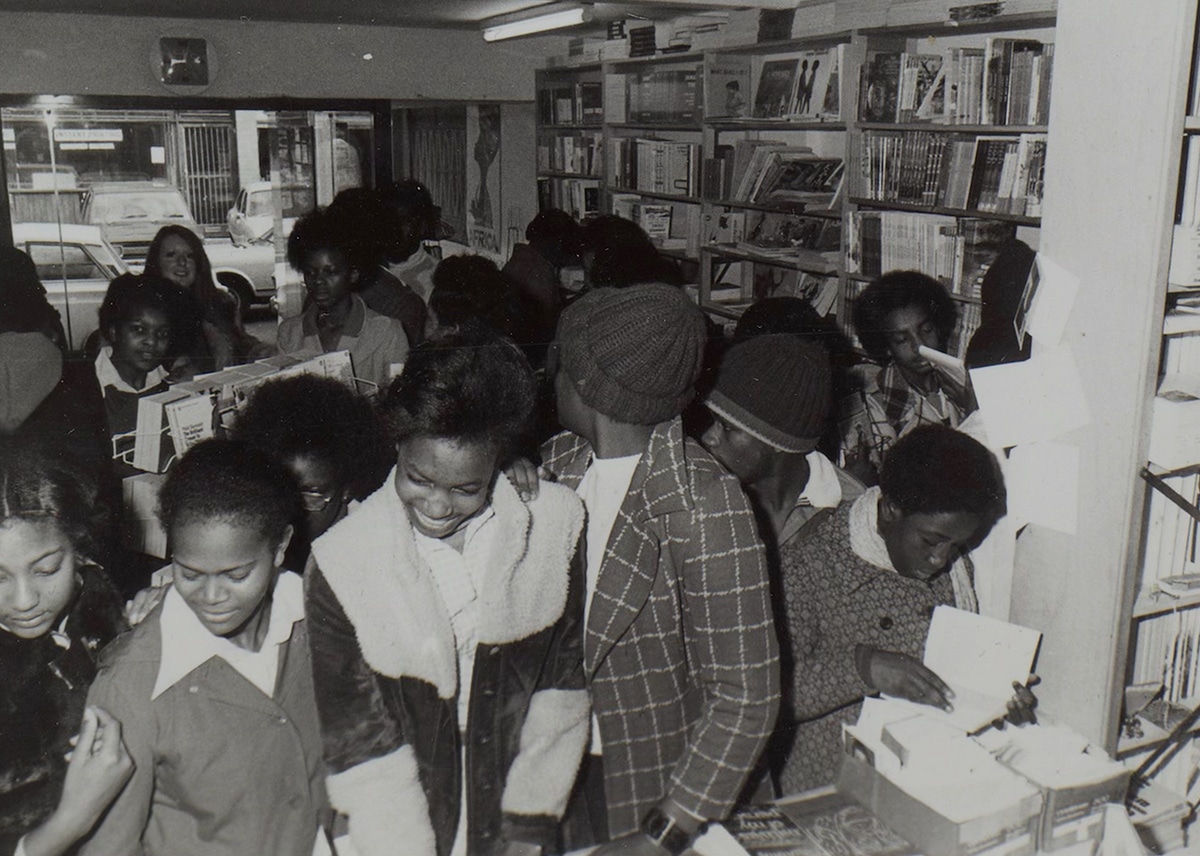
A trail through the archive of Black British history
An overlooked canon of Black British literature waiting to be uncovered

BEEF season two
A darkly humorous series delving deep into the maelstrom of human behaviour

Backrooms
Between memory and reality, past and present, comfort and terror